Hall Museum

Preserving History for Future Generations

The Hall Museum preserves the historic homes, farmsteads, and stories of the Hall plantation in Iredell County, North Carolina.

About the Museum

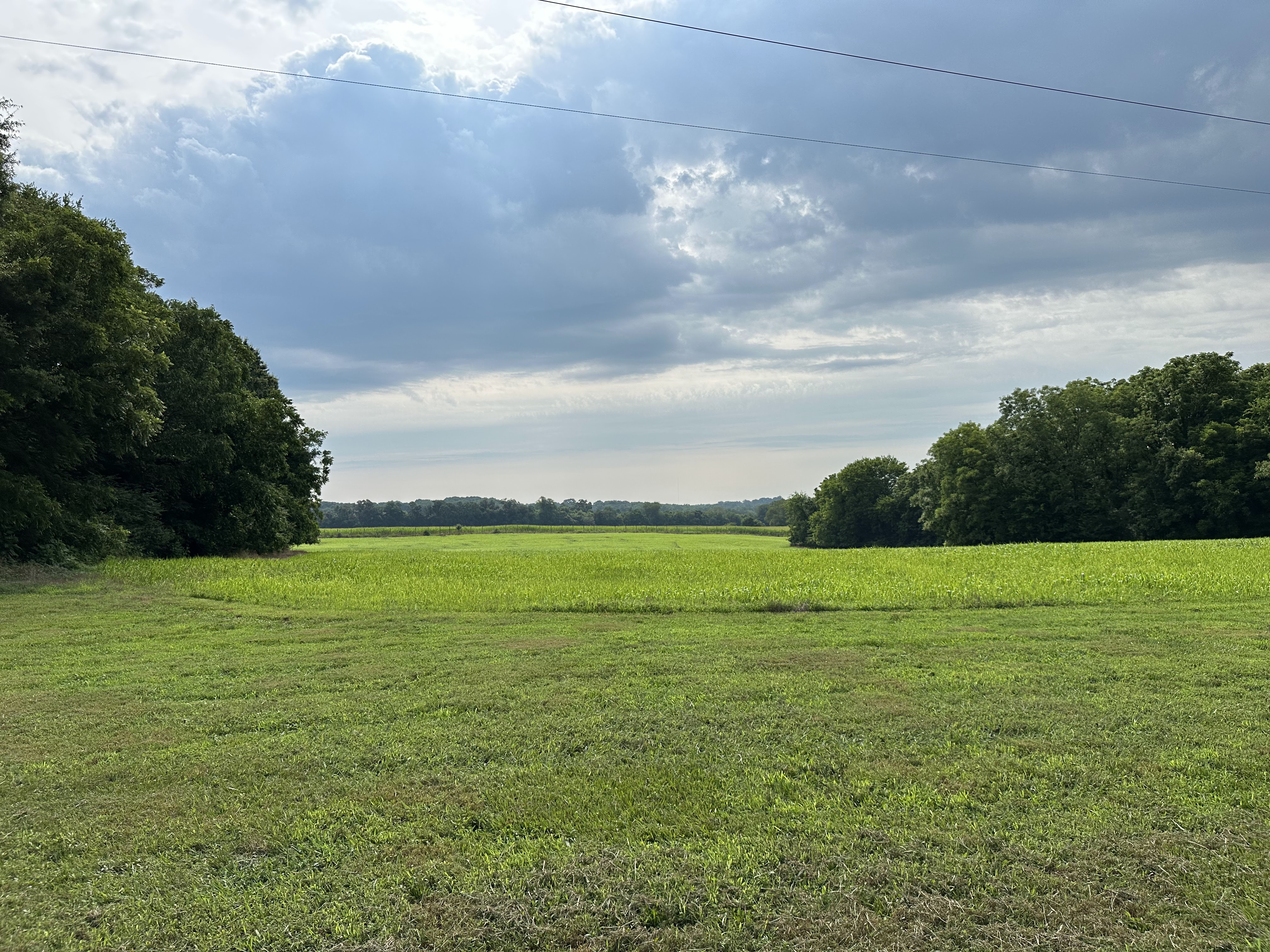
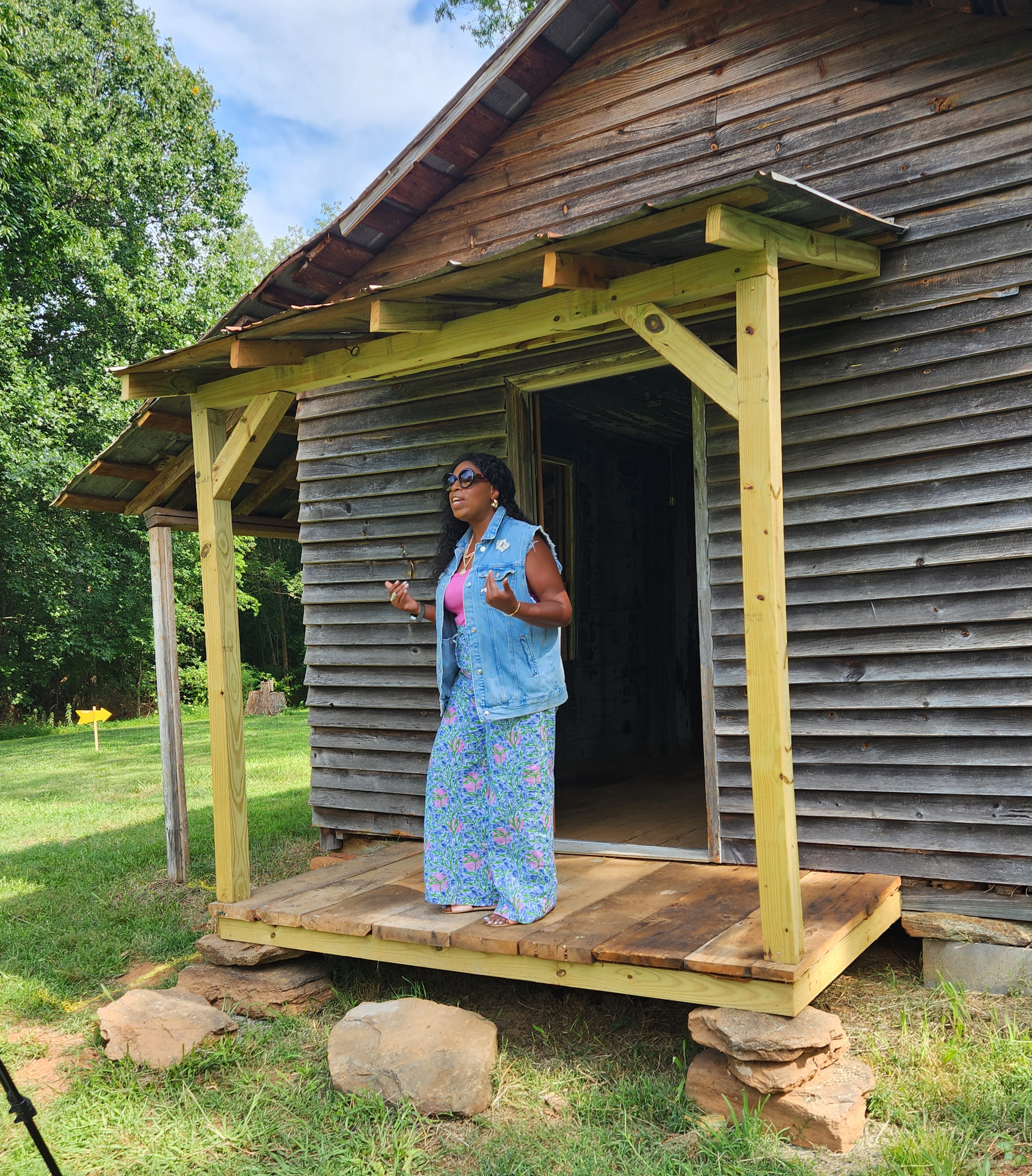
Work is now underway to create a history museum on the Hall plantation that will preserve and share the remarkable stories woven into this land.

The museum will include:

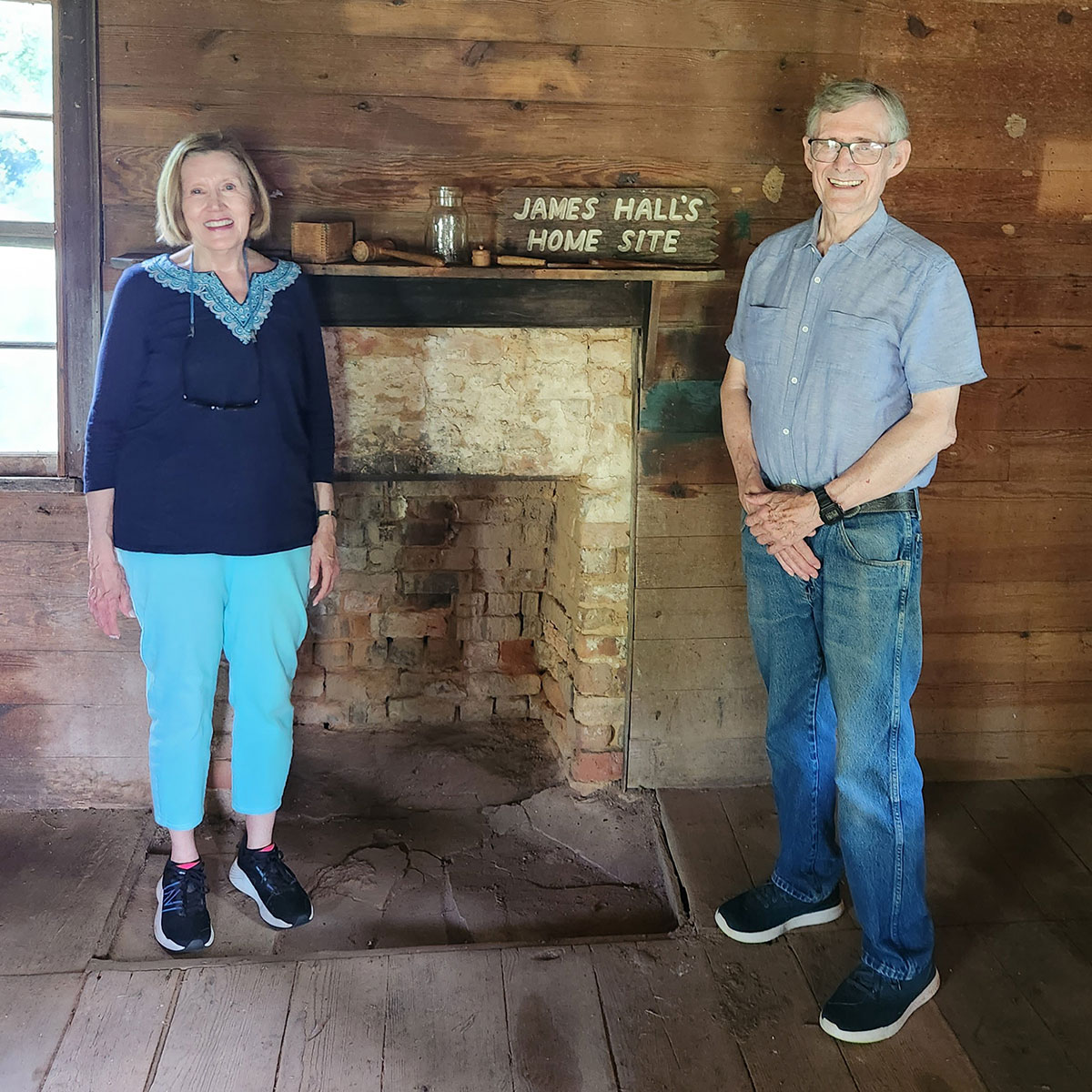
  • The home, slave quarters and farmstead where James Hall, his wife and family settled in 1751.
  • Hugh Hall’s home, slave quarters and outbuildings established beginning in 1830.
  • A post-civil war tenant house.

These grounds have generations of history—stories of perseverance, faith, and the enduring human spirit. The Hall Museum will ensure these stories are never forgotten, offering visitors a place to learn, reflect, and honor the lives of those who came before us.

The Enslaved Community & Their Descendants

The people who lived, labored, and endured on these grounds—and the generations who carry their legacy forward.

The Hall Museum exists not only to preserve buildings and land, but to honor the enslaved men, women, and children whose lives were bound to this plantation. Their stories of perseverance, faith, and community are central to everything the museum represents.

Samuel Hall

Samuel Hall grew up enslaved on this very farm. Born into slavery on the Hall plantation in Iredell County, he was inherited and enslaved by Hugh Roddy Hall. After Hugh Hall’s death in 1855, Samuel was sold to a plantation in southwestern Tennessee near the Mississippi line, separating him from his first wife and family.

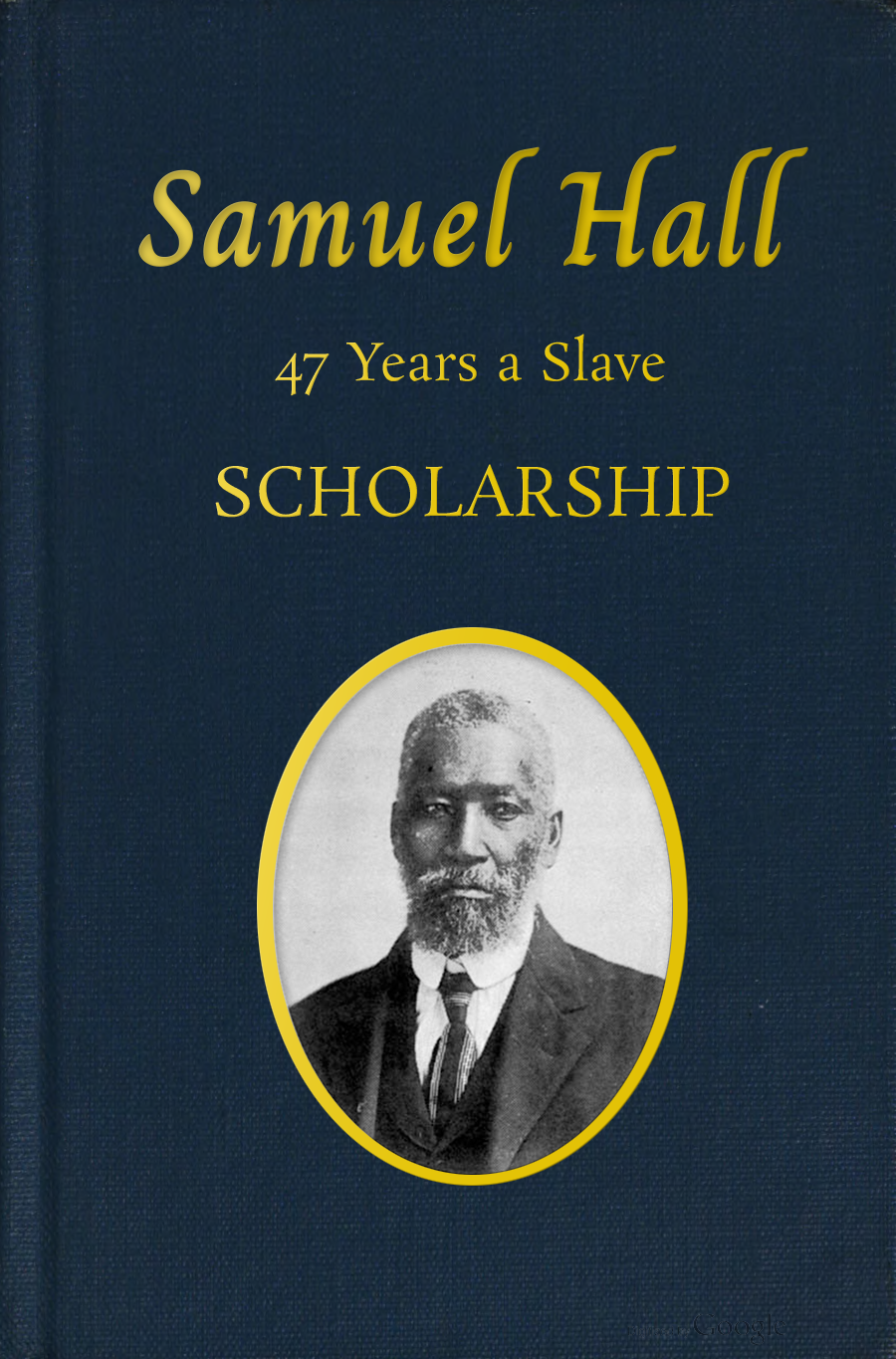
During the Civil War, Samuel secretly served as a spy for the Union Army. Near the end of the war, he freed his second family from their enslaver with the help of Union soldiers before relocating to Washington, Iowa. At the age of 94, he wrote his life story, with the assistance of journalist Orville Elder, producing the autobiography Samuel Hall, 47 Years a Slave—a remarkable document of his journey through slavery to freedom.

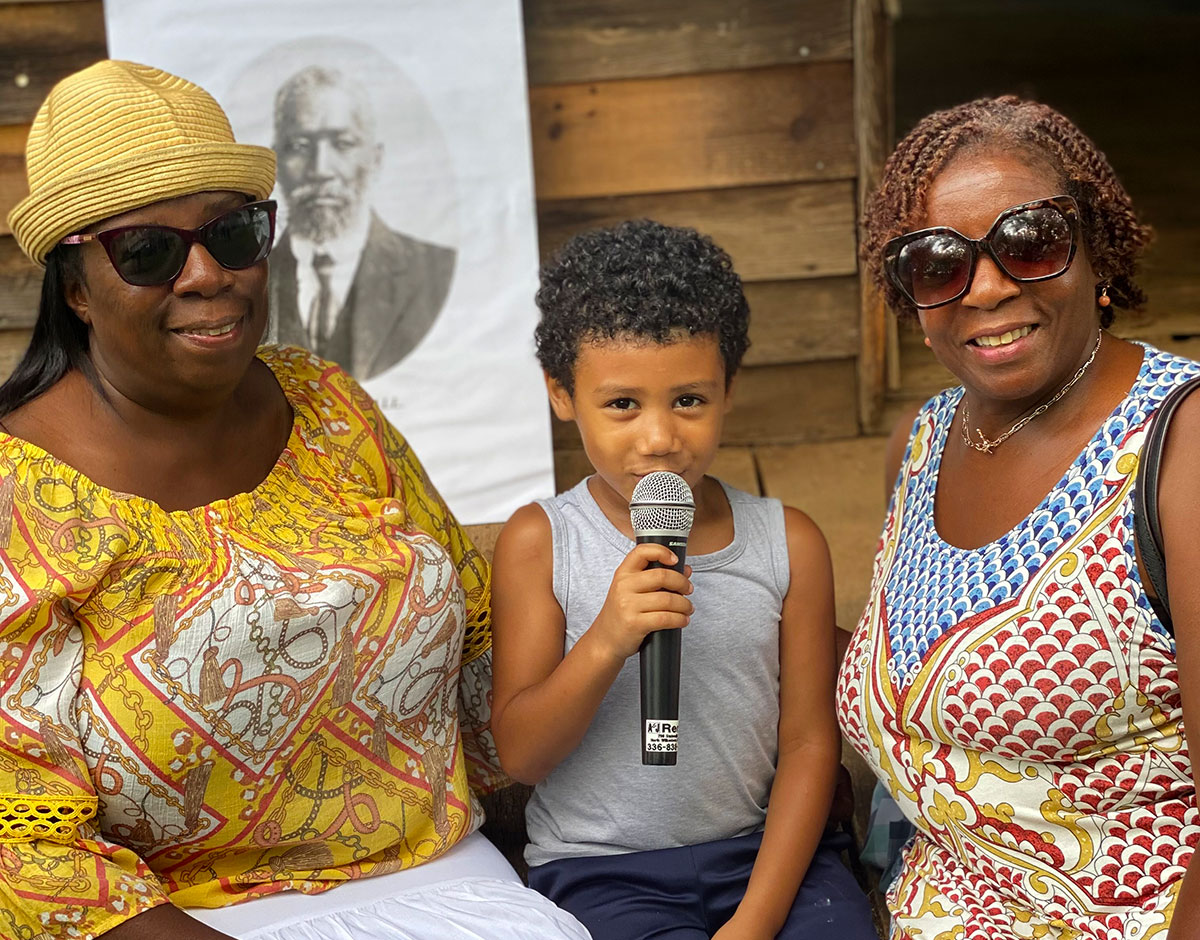
The descendants of Samuel Hall are at the heart of the museum’s mission. They have returned to the plantation where their ancestor was enslaved, transforming a place of pain into a place of remembrance, education, and hope.

Samuel Hall, 47 Years a Slave - autobiography cover

Samuel Hall’s autobiography, 47 Years a Slave

Caesar Hall & Freedom Presbyterian Church

Caesar Hall, Samuel’s half-brother, was also enslaved on the Hall Plantation. After emancipation, Caesar became a founding member of Freedom Presbyterian Church, located near the Hall plantation. Established around 1863, Freedom Presbyterian is one of the first African-American churches in the area—and possibly one of the earliest in the state of North Carolina.

Caesar’s role in founding this church speaks to the deep faith and determination of the formerly enslaved community. Freedom Presbyterian became a spiritual home, a gathering place, and a pillar of strength for African Americans in Iredell County. It remains an active congregation to this day, and the Samuel Hall Scholarship program was begun by Freedom Presbyterian Church as one of their missions.

Together, Samuel and Caesar Hall represent the resilience of the enslaved community on the Hall plantation—one who told the world his story, and one who helped build the institutions that would sustain his community for generations.

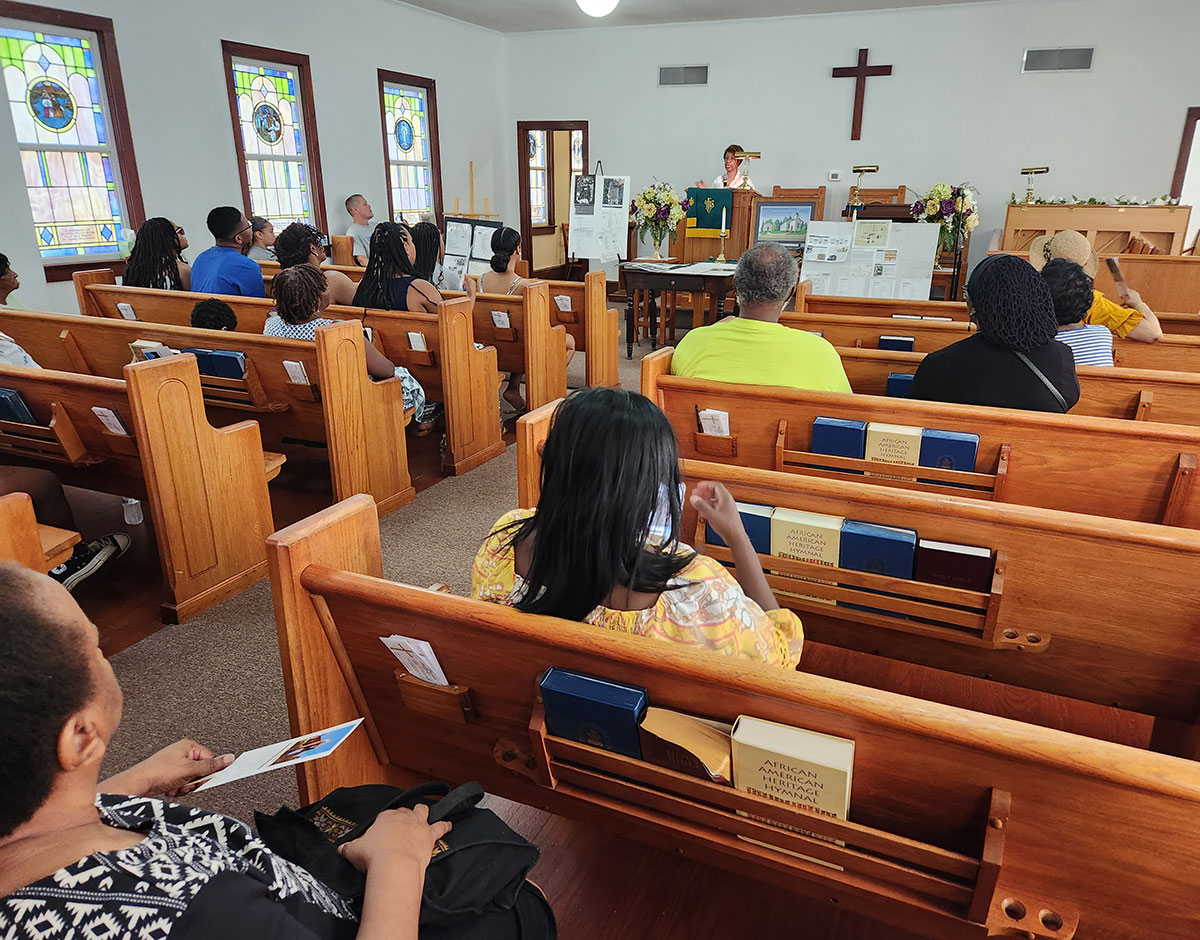
Freedom Presbyterian Church

Freedom Presbyterian Church, near the Hall plantation

The Descendants’ Return

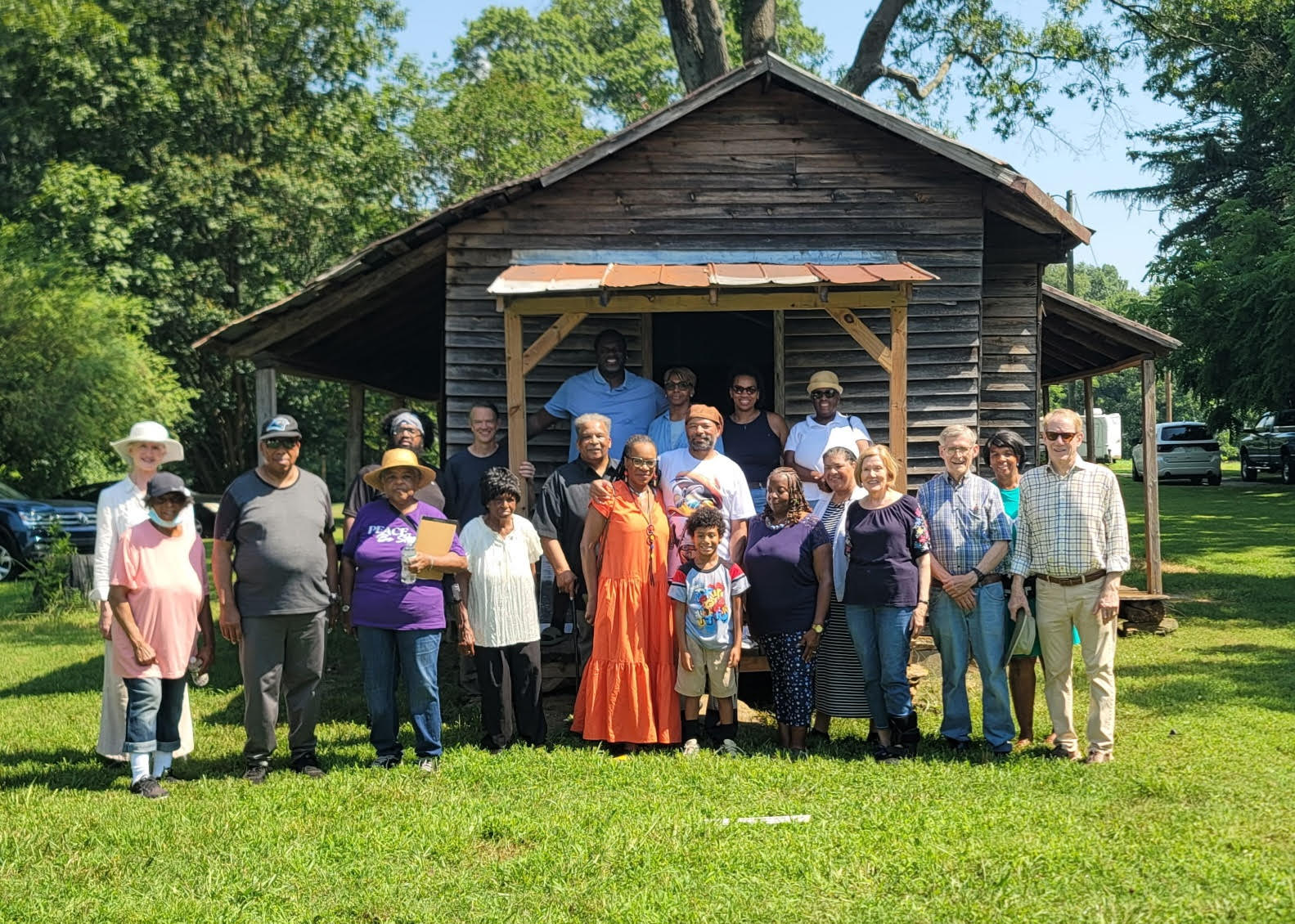
In July 2023, an unlikely and historic meeting occurred when the descendants of enslaver Hugh Hall invited the descendants of Samuel Hall back to the plantation. Connected through Samuel’s autobiography and genealogical research, the two families came together in Iredell County to honor their shared history and founded the Hugh Hall and Samuel Hall Foundation.

The descendants of Samuel Hall and Caesar Hall are a driving force behind the museum. Their presence on these grounds—the same land where their ancestors were once held in bondage—transforms the Hall Museum into a living testament to survival, reconciliation, and the enduring bonds of community.

The Great Wagon Road & Sherrill’s Path

The historic road that brought the Hall family to Iredell County may run through the plantation grounds.

The Great Wagon Road was the primary overland migration route used by tens of thousands of Scots-Irish and German immigrants to travel south from Pennsylvania into the American backcountry during the 18th century. Stretching more than 800 miles from Philadelphia to Augusta, Georgia, it was originally a Native American trail called the Warrior’s Path.

The road began in Philadelphia, crossed westward to Gettysburg, turned south through the Shenandoah Valley of Virginia, and entered North Carolina in Stokes County. It passed through the Moravian settlements near present-day Winston-Salem, crossed the Yadkin River at Shallow Ford, and continued south through Salisbury and Charlotte into South Carolina and Georgia.

Sherrill’s Path

Just south of the Yadkin River crossing, the Great Wagon Road forked into several branches. The central branch was called Sherrill’s Path, blazed by Adam Sherrill and his eight sons in 1747 when they became the first European family to settle on the west bank of the Catawba River. This path ran south and west directly through present-day Statesville, passing near Fort Dobbs (built 1756), before reaching Sherrill’s Ford on the Catawba River.

The Hall Family’s Journey

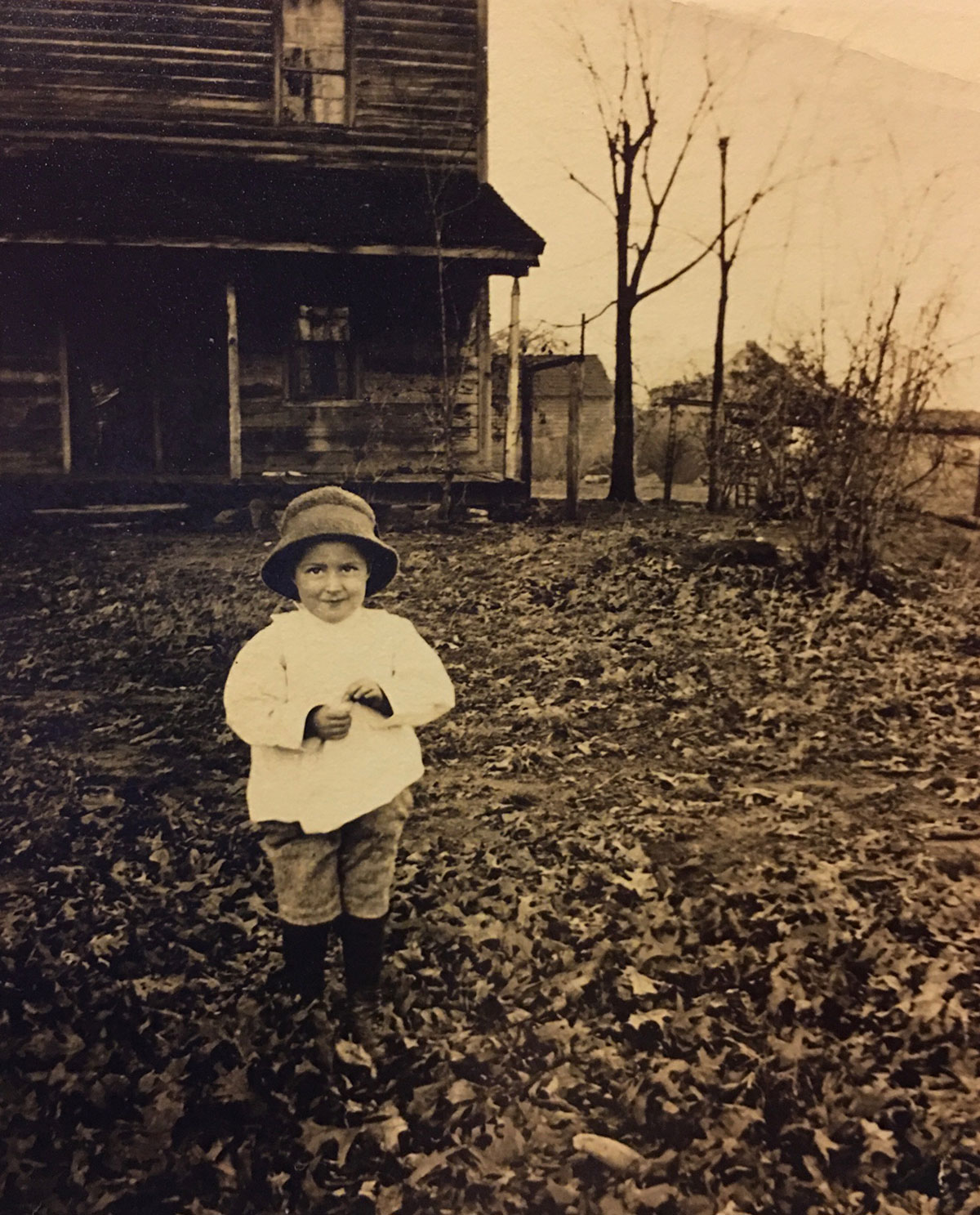
In 1751, James Hall and his wife Prudence Roddy brought their family of nine children from Dauphin County, Pennsylvania, traveling the Great Wagon Road south through the Shenandoah Valley to reach the Fourth Creek Settlement in what is now Iredell County. They settled in what would become Bethany Township. Their homestead was located approximately six miles northeast of Statesville—directly on the corridor where Sherrill’s Path connected the Yadkin River crossings to Fort Dobbs and points south.

James Hall’s son, the Reverend James Hall Jr. (1744–1826), became a prominent Presbyterian minister and educator. A Princeton graduate, he became the second minister of the Fourth Creek Meeting House (now the First Presbyterian Church of Statesville). He also founded Cleo’s Nursery academy and later helped establish Ebenezer Academy at Bethany Presbyterian Church, where his nephew Hugh Roddy Hall served as an educator.

A Road Through the Plantation?

A recent ground-penetrating radar (GPR) survey of the Hall plantation has identified a buried roadbed on the property. The Hall plantation’s location in Bethany Township—sitting squarely on the route between the Yadkin River crossings and Statesville—places it directly along the path that Sherrill’s Path would have followed. The Hall family themselves would have traveled this very road to reach their new home in 1751, just four years after the Sherrills first blazed it.

Investigation is ongoing to determine whether this roadbed is part of Sherrill’s Path, one of the most important colonial-era roads in the American South.
Great Wagon Road
Sherrill’s Path
Hall Family Journey (1751)

Contact Us

We would love to hear from you. Whether you have questions about the Hall Museum or how you can support our mission, please reach out.

Get in Touch

Email: jameshadams@hhshfoundation.org